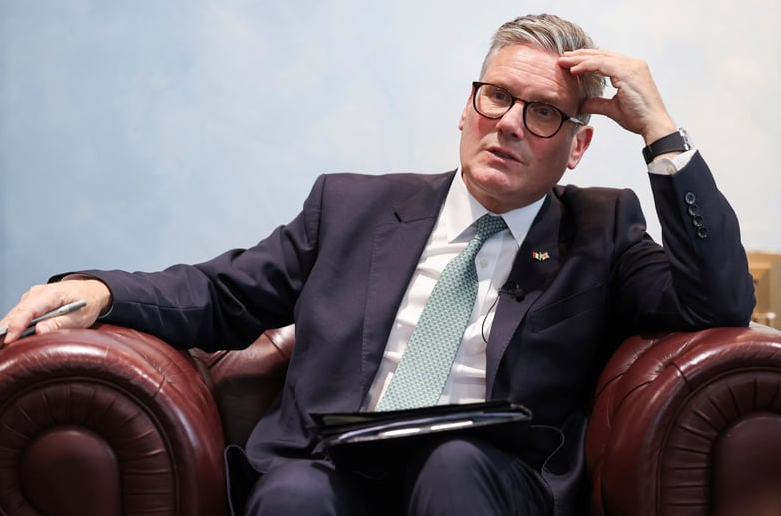
Keir Starmer: From Human Rights Lawyer to UK Prime Minister
Sir Keir Rodney Starmer (born 2 September 1962) is a British politician and former barrister who has served as Prime Minister of the United Kingdom since 5 July 2024, after leading the Labour Party to victory in that year’s general election. He has also been the Member of Parliament (MP) for Holborn and St Pancras since 2015.
🧑⚖️ Early Life and Legal Career
Starmer was born in Southwark, London, and grew up in Surrey in a working-class family. He was the first member of his family to attend university, earning a law degree from the University of Leeds and a postgraduate Bachelor of Civil Law from Oxford University. After qualifying as a barrister in 1987, he specialised in human rights law, defending death-row prisoners in the Caribbean and Africa.
He later became Director of Public Prosecutions (DPP) and head of the Crown Prosecution Service from 2008 to 2013, overseeing reforms to support victims of serious crimes and prosecuting high-profile cases. In recognition of his service to criminal justice, he was knighted in 2014.
🏛️ Political Rise
Starmer was first elected to Parliament in 2015. He quickly rose through the Labour Party ranks, serving as Shadow Immigration Minister and then Shadow Brexit Secretary. In April 2020, he became Leader of the Labour Party, succeeding Jeremy Corbyn and moving the party toward the centre.
As opposition leader, Starmer focused on issues such as economic stability, public services and uniting a divided party. His leadership helped Labour make gains in local elections and positioned the party as a credible alternative to 14 years of Conservative government.
🗳️ Prime Ministership and Current Challenges
In the July 2024 general election, Labour won a landslide victory, and Starmer became Prime Minister with a historic parliamentary majority, ending years of Conservative rule.
Since taking office, Starmer’s government has pursued a mix of economic, social and foreign policy goals while facing significant political headwinds:
- Migration and Border Control: Starmer has been criticised by opposition parties for the number of crossings in small boats, with over 65,000 arrivals reported under his government — a figure compared to the previous Conservative record. Critics argue that policy changes have not effectively curbed the crossings.
- Political Scandals: In early 2026, Starmer’s government was rocked by a controversy involving the appointment of former cabinet minister Peter Mandelson as UK ambassador to the United States. Leaked emails suggested Mandelson had misled officials about past connections with convicted sex offender Jeffrey Epstein, leading Starmer to regret the appointment and refer the matter to police.
- Foreign Policy: Starmer has taken an active role in international diplomacy, including a high-profile visit to China to strengthen trade ties, even as tensions with the United States under President Trump continue.
- Brexit Relations: He has pledged to use upcoming EU summits to deepen UK-EU cooperation and unwind trade barriers created by Brexit, while stopping short of rejoining a customs union.
Despite these efforts, Starmer’s approval ratings have dropped sharply. Recent polling indicates a significant decline in public support, attributed to economic concerns and policy critiques, dropping his net approval into negative territory.
🎯 Leadership Style and Public Perception
Starmer is often described as a pragmatic and detail-oriented leader, shaped by his legal background and human rights work. Today, he positions himself as a unifying figure focused on stability and measured reform. However, his government’s decisions — especially on welfare reform, immigration and public spending — have drawn both praise and sharp criticism from different sections of British society.
His political strategy tends toward moderation, seeking broad consensus rather than ideological confrontation. This approach has helped Labour regain power but also created internal tensions and mixed public reactions.
🧾 Summary
Sir Keir Starmer stands as a pivotal figure in modern British politics: a former human rights lawyer turned political leader who has steered the UK through a period of change and challenge. From his legal career to his premiership, Starmer’s journey reflects both his personal dedication to public service and the evolving priorities of British voters. His time in office continues to shape debate on economic policy, migration, and the UK’s role on the international stage.










Commento all'articolo