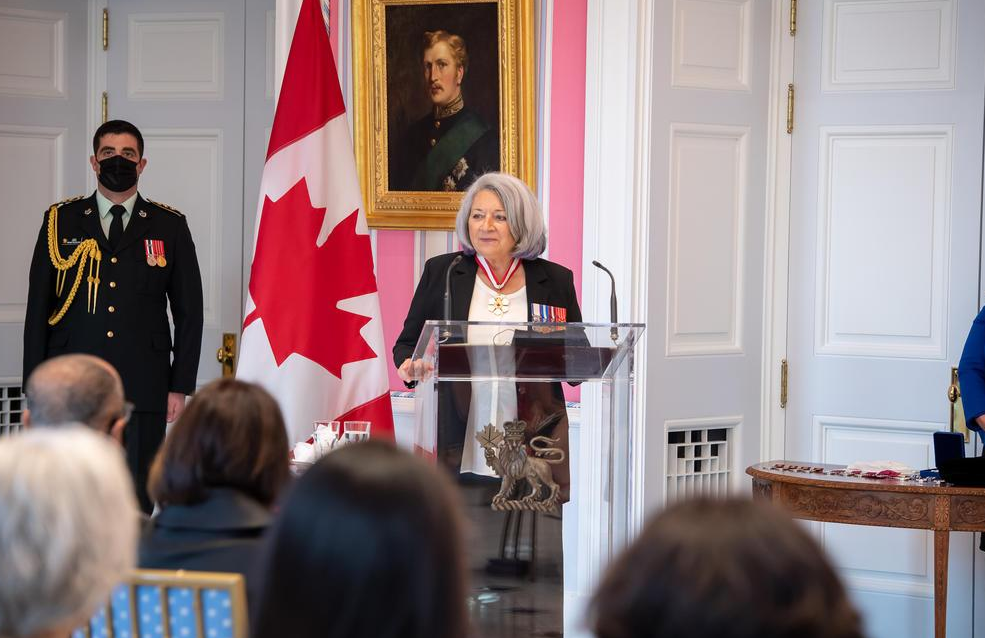
Mary Simon: Leadership, Representation, and a Historic Shift in Canadian Identity
Mary Simon stands as one of the most historically significant figures in contemporary Canada, embodying both personal achievement and a broader transformation in national identity. Born on August 21, 1947, in Kangiqsualujjuaq, a remote Inuit community in northern Quebec, Simon’s life and career are deeply rooted in the cultural, social, and political realities of Indigenous peoples in Canada.
Growing up in the Arctic, Simon experienced firsthand the challenges faced by Inuit communities, including geographic isolation, limited access to services, and the lasting impacts of colonial policies. At the same time, she was immersed in a rich cultural environment that emphasized community, resilience, and tradition. These early experiences would later shape her worldview and her approach to leadership.
Simon began her professional career in broadcasting, working with the Canadian Broadcasting Corporation. Her focus on Northern issues provided a platform to bring Indigenous perspectives into national conversations, at a time when such voices were often marginalized. This role laid the groundwork for her later work in advocacy and diplomacy.
Over the following decades, Simon took on increasingly influential roles. As President of Inuit Tapiriit Kanatami, she worked to advance the rights and interests of Inuit communities at the national level. Her work in this position involved negotiating with government institutions, advocating for policy changes, and raising awareness about issues affecting the Arctic.
Her role as Canada’s Ambassador for Circumpolar Affairs further expanded her influence. In this capacity, Simon was involved in international discussions related to Arctic sovereignty, environmental protection, and Indigenous rights. She also served as Canada’s Ambassador to Denmark, where she engaged in diplomatic efforts concerning Arctic governance.
In 2021, Simon was appointed Governor General of Canada, becoming the first Indigenous person to hold the position. This appointment was widely recognized as a historic milestone, reflecting a broader movement toward reconciliation and inclusion within Canadian society.
As Governor General, Simon has emphasized themes of unity, cultural recognition, and dialogue. Her leadership style is characterized by a balance between formal responsibility and personal authenticity. She has used her platform to highlight the importance of Indigenous perspectives in shaping the future of Canada.
At the same time, her tenure reflects the complexities of representation. While her appointment symbolizes progress, it also underscores the ongoing challenges faced by Indigenous communities. Simon’s role, therefore, is not only ceremonial but also deeply symbolic—representing both achievement and the work that remains.
Her legacy extends beyond her official duties. Mary Simon represents a shift in how national identity is understood in Canada—one that increasingly acknowledges the importance of Indigenous history, culture, and leadership.
Through her career, Simon has demonstrated that leadership is not only about authority, but about representation, understanding, and the ability to bring diverse perspectives into a shared national narrative.











Commento all'articolo