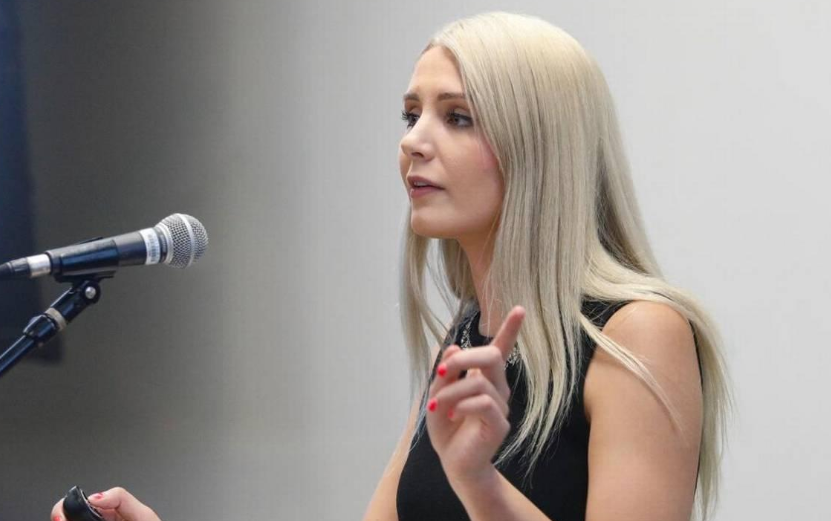
Lauren Southern: Digital Influence, Controversy, and the Evolution of Independent Media
Lauren Southern emerged during a transformative period in media history, when digital platforms began reshaping how political ideas are produced, distributed, and consumed. Born on June 16, 1995, in Surrey, British Columbia, Southern became one of the more recognizable figures within the sphere of independent online commentary.
Her early rise was closely tied to YouTube and similar platforms, where she created content addressing politically and culturally sensitive topics. At a time when traditional media institutions were increasingly challenged by decentralized content creation, Southern’s work reflected a broader shift toward individual-driven narratives.
Initially, her content focused on themes such as immigration, cultural identity, and political ideology. These topics, often polarizing by nature, contributed to both her rapid growth in audience and the controversy surrounding her work. Supporters viewed her as a voice willing to address issues they felt were underrepresented, while critics argued that her framing of these issues contributed to division and oversimplification.
What set Southern apart from many other commentators was her willingness to move beyond short-form content. Her involvement in documentary-style projects signaled an attempt to engage with more complex storytelling formats. Productions such as Farmlands reflected an interest in examining socio-political issues through on-the-ground reporting and narrative framing.
However, her career has also been marked by periods of withdrawal from public life. At various points, Southern stepped back from content creation, citing personal and professional reasons. These pauses highlight one of the less visible aspects of digital media careers—the psychological and social pressures associated with maintaining a highly public presence.
Her eventual return to public discourse came with a somewhat more measured tone, suggesting an evolution in both perspective and communication style. This shift mirrors a broader trend among online creators who, after initial rapid growth, reassess their role and approach within the media ecosystem.
Southern’s trajectory illustrates the complexities of modern media influence. Unlike traditional journalists or commentators, digital creators operate without the same institutional frameworks, which allows for greater freedom but also introduces challenges related to accountability, credibility, and long-term sustainability.
Her career also raises broader questions about the nature of public discourse in the digital age. As platforms continue to evolve, the role of individual voices in shaping political narratives becomes increasingly significant. Southern’s work, regardless of perspective, is part of this larger transformation.
In examining her career, it becomes clear that Lauren Southern is not only an individual figure but also a representation of a shifting media landscape—one where influence is decentralized, visibility is immediate, and the boundaries between commentary, journalism, and personal expression are increasingly blurred.









Commento all'articolo